An independent podcast examining what the U.S. Congress is doing with our money and in our names. www.congressionaldish.com Follow @JenBriney on Twitter
What this show covers
War PowersAIelection lawUSPSpostal financesmail-in votingpublic policyexecutive authority9/11presidential powercivil libertiesWar on Terrorcorporate homeownershipNDAAhousing policy
What listeners will find here
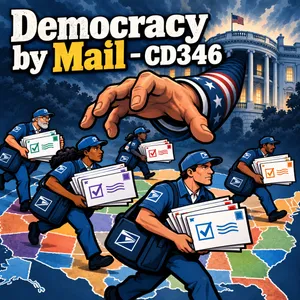
Mail-in voting, USPS money troubles, and the fight over both
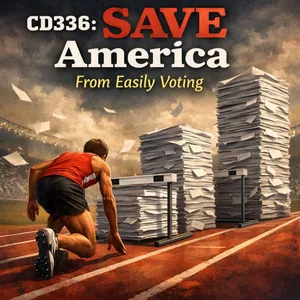
This episode examines two Postal Service battles at once: a new election-mail rule tied to mail-in voting and the deeper question of whether USPS can stay financially sustainable. It follows the court fight that blocked the rule for 2026 and explores what’s really behind the agency’s financial strain.
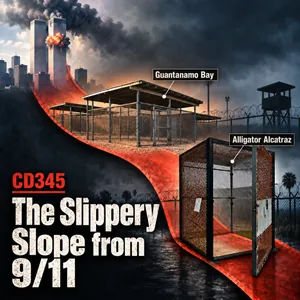
How post-9/11 powers grew across four presidencies—and where they’re leading now
This episode examines how the War on Terror reshaped presidential power over the past 25 years. It follows how the Bush, Obama, and Biden administrations expanded and preserved those authorities, and why their use under Trump raises urgent questions about liberty and legal protections.
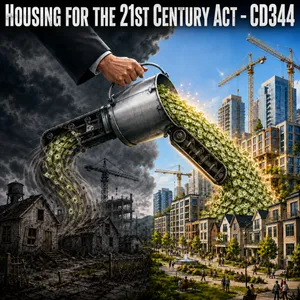
A new housing law, key confirmations, and NDAA provisions with big implications
This episode centers on the Housing for the 21st Century Act and its effort to limit corporate ownership of homes. It also looks at the Senate’s summer confirmations, including Todd Blanche as Attorney General, and flags NDAA provisions tied to U.S.-Israeli military cooperation and a California pipeline fight.
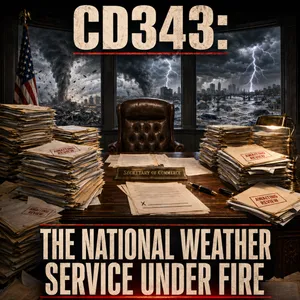
How staffing cuts and AI plans could reshape the National Weather Service
The National Weather Service is the backbone of daily forecasts, storm warnings, and flood alerts across the country. This episode looks at how staffing cuts, delayed weather balloon launches, contract problems, AI-driven forecasting, and privatization concerns are affecting the agency under the Trump administration.
When a “natural disaster” may also be a policy story
This preview, based only on the show notes, suggests the episode examines the Texas Hill Country flood not just as extreme weather but as a consequence of government decisions. It appears to trace the disaster from the storm itself through state hearings and congressional oversight of FEMA.