Why the bad sticks: a preview of Hidden Brain on negativity bias
This preview, based only on the episode notes, points to a conversation about why one negative moment can dominate an otherwise good day. Psychologist Alison Ledgerwood explores negativity bias, and David Pizarro returns for a listener Q&A on disgust.
If you've ever had a mostly good day derailed by one awkward comment, mistake, or disappointment, this episode looks built for you. Based on the show notes, *Stepping Out of the Shadows* examines **negativity bias** — the tendency to focus more on what went wrong than on what went right. The main conversation features psychologist **Alison Ledgerwood**, who explores why human minds are especially attentive to **losses and threats**. The notes suggest the episode will look not just at why negative experiences loom so large, but also at **what it takes to rebalance attention** toward the positive. The episode also includes a **Your Questions Answered** segment with psychologist **David Pizarro**, who returns to respond to listener comments about the role of **disgust** in shaping our lives. If that earlier discussion caught your attention, this sounds like a useful follow-up. A good reason to listen: the topic is broadly relatable and practical. The notes frame the episode around a familiar puzzle — why a single bad experience can overshadow an otherwise good day — and pair that with psychological insight rather than simple self-help. One extra note from the metadata: a companion Hidden Brain+ conversation titled **“Going Negative”** extends the theme by looking at how politicians and the media exploit negativity bias. That’s separate from the main episode, but it gives a sense of the wider lens around this topic. In short, this preview suggests an episode about how attention gets captured by the negative — and how understanding that tendency might help loosen its grip.
About this episode
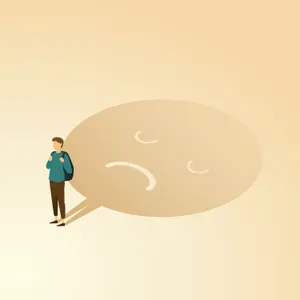
<p>Why does one bad experience have the power to overshadow an otherwise good day? Psychologist <a href="https://psychology.ucdavis.edu/people/alison-ledgerwood" rel="noopener noreferrer">Alison Ledgerwood</a> explores the negativity bias, the deeply human tendency to hold on to what went wrong and overlook what went right. She explains why our minds are drawn to losses and threats, and what it takes to rebalance our attention. Then, on Your Questions Answered, psychologist <a href="https://psychology.cornell.edu/david-pizarro" rel="noopener noreferrer">David Pizarro</a> returns to respond to your comments about the surprising role of disgust in shaping our lives. </p> <p><i>In our companion conversation for Hidden Brain+, we explore how politicians and the media exploit the negativity bias. If you're a subscriber, that episode is titled “Going Negative.” If you're not yet a subscriber, you can get a free seven-day trial of Hidden Brain+ by going to support.hiddenbrain.org or </i><a href="https://podcasts.apple.com/us/podcast/hidden-brain/id1028908750?at=1010l3ab3&ct=hiddenbrain_podcasts&itsct=hiddenbrain_podcasts&itscg=30200S&ls=1" rel="noopener noreferrer"><i>apple.co/hidden brain</i></a><i>. </i></p> <p><i>If you love listening to Hidden Brain, you'll love watching it as well! Check out </i><a href="https://www.youtube.com/@HiddenBrain" rel="noopener noreferrer"><i>our new YouTube channel</i></a><i> for Shankar's videos about how your memory works, tips for performing under pressure, and much more. </i></p> <p><a href="https://unsplash.com/illustrations/teenager-boy-in-depression-standing-alone-with-a-sad-reflection-isometric-vector-illustration-o2jCNT3GP-E" rel="noopener noreferrer"><i>Episode illustration by Getty Images for Unsplash+</i></a></p><br/> <p>Hosted by Simplecast, an AdsWizz company. See <a href="https://pcm.adswizz.com">pcm.adswizz.com</a> for information about our collection and use of personal data for advertising.</p>