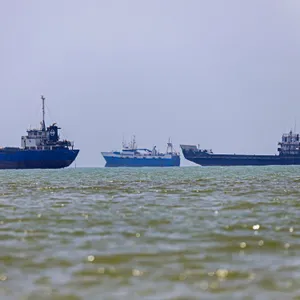
Why three waterways still shape global power far beyond the Middle East
This preview, based only on the episode notes, points to a Throughline episode about how the Suez Canal, the Strait of Hormuz, and Bab el-Mandeb became strategic chokepoints. It appears to connect history, conflict, trade disruption, and market anxiety to explain why these narrow passages matter worldwide.
This is a preview based on the published show notes, not a recap of the audio itself. If you want a big-picture episode that links geography to politics and economics, this one looks especially promising. The notes frame the Middle East not just through oil, but through water: the Suez Canal, the Strait of Hormuz, and Bab el-Mandeb. The central idea is that these narrow routes do more than move ships—they can disrupt trade, shake markets, and alter power relationships well beyond the region when crisis hits. The episode appears to be structured around three stories, one for each waterway, with a mix of historical and contemporary perspective. Based on the guest list, listeners can expect discussion of Suez through the lens of modern Middle East history, Hormuz through military and strategic tensions in the Persian Gulf, and Bab el-Mandeb through expertise tied to Yemen and Gulf politics. This may be a good listen if you like episodes that explain current events by tracing the infrastructure and geography underneath the headlines. It also seems suited for listeners interested in how seemingly narrow passages can have outsized global consequences—from shipping and economics to diplomacy and conflict. If you're deciding whether to queue it up, the appeal here is the combination of narrative history and policy relevance: a focused look at why a few stretches of water can influence the wider world.
About this episode
Oil may dominate the headlines about the Middle East, but the real power often flows through water. Three narrow passages - the Suez Canal, the Strait of Hormuz, and Bab el-Mandeb – shape how the world moves. In times of crisis, they've become chokepoints, disrupting global trade, rattling markets, and shifting the balance of power way beyond the region. In this episode, three stories from these waterways… how they've helped define the modern Middle East and, as we've seen recently with Hormuz, the economic currents that affect us all.<br/><br/><strong>Guests:</strong><br/><br/><strong>Alex Von Tunzelmann, </strong>author of <em>Blood and Sand: Suez, Hungary, and Eisenhower's Campaign for Peace</em><br/><br/><strong>Harold Lee Wise, </strong>author of <em>Inside the Danger Zone: The U.S. Military in the Persian Gulf, 1987-1988</em><br/><br/><strong>Farea Al-Muslimi, </strong>Yemen and Gulf researcher at Chatham House in London<br/><br/><em>Support shows like Throughline with NPR+. Sign up today at </em><a href="http://plus.npr.org"target="_blank" >plus.npr.org</a><em>.</em><br/><br/>See <a href="https://pcm.adswizz.com">pcm.adswizz.com</a> for information about our collection and use of personal data for sponsorship and to manage your podcast sponsorship preferences.<br/><br/><a href="https://www.npr.org/about-npr/179878450/privacy-policy">NPR Privacy Policy</a>